Nov 3, 2026 Zoom Info Session - 5:00-6:00pm REGISTER to get the link!

Cultivating Connection: The Role of Community Gardens in Cohousing Communities
This blog explores the various elements that make community gardens in cohousing communities so special, including organic gardening, xeriscaping, composting, and other innovative practices that promote environmental stewardship and social connection
Gratitude Village
12/8/20244 min read
Cultivating Connection: The Role of Community Gardens in Cohousing Communities
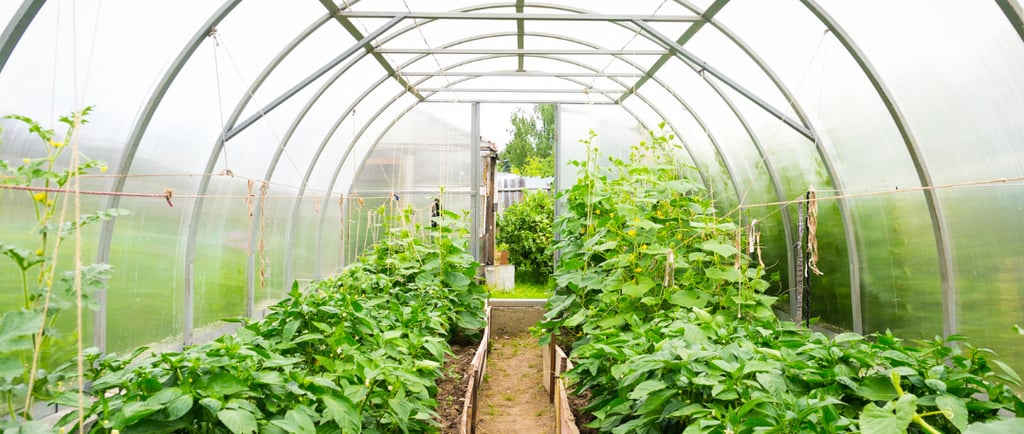
Community gardens are more than just patches of land where residents grow their own food; they are vibrant, living spaces that embody the principles of sustainability, cooperation, and shared responsibility that are at the heart of many cohousing communities. In these intentional neighborhoods, the community garden serves as a gathering place, a source of fresh, organic produce, and a practical demonstration of sustainable living practices. This blog explores the various elements that make community gardens in cohousing communities so special, including organic gardening, xeriscaping, composting, and other innovative practices that promote environmental stewardship and social connection.
Organic Gardening: Growing Food, Growing Together
At the core of many community gardens in cohousing communities is a commitment to organic gardening. Organic gardening avoids the use of synthetic fertilizers, pesticides, and herbicides, instead relying on natural processes to maintain soil fertility and manage pests. This approach not only ensures that the food grown is free from harmful chemicals, but also supports a healthier ecosystem overall.
In a cohousing setting, organic gardening is often a communal activity. Residents collaborate on everything from planning the garden layout to planting seeds, tending to the crops, and harvesting the produce. This shared responsibility fosters a sense of ownership and pride in the garden, while also providing opportunities for residents to learn from one another. Experienced gardeners might teach novices about crop rotation, companion planting, or natural pest control, creating a rich learning environment for all.
Organic gardening in community gardens also emphasizes the importance of biodiversity. By planting a variety of crops, flowers and herbs, cohousing residents create a garden that supports a wide range of pollinators and beneficial insects, which are crucial for a healthy and productive garden. This biodiversity not only boosts the garden’s resilience but also enhances its beauty, making it a more inviting space for everyone.
Xeriscaping: Sustainable Landscaping for Dry Climates
Xeriscaping, a landscaping practice that focuses on water conservation, is particularly relevant in regions prone to drought or water scarcity such as Colorado's Front Range. By using drought-tolerant plants and designing home gardens and public green spaces to minimize water use, xeriscaping helps cohousing communities reduce their environmental impact while still enjoying a lush, green space.
In a community garden, xeriscaping might include the use of native plants that are adapted to the local climate, as well as the incorporation of mulch to retain soil moisture. Drip irrigation systems, which deliver water directly to the roots of plants, can further reduce water waste. Xeriscaping is not just about conservation, though—it’s also about creating a beautiful, low-maintenance garden that thrives with minimal intervention.
For cohousing communities, xeriscaping offers an opportunity to demonstrate sustainable living practices in action. It shows that it’s possible to create a vibrant, productive garden without relying on excessive water use, which is increasingly important in the face of climate change. Moreover, xeriscaped areas can be just as visually appealing as traditional gardens, with a variety of textures, colors, and plant forms that create an inviting and serene environment.
Composting: Turning Waste into Wealth
Composting is a key practice in many cohousing community gardens, turning kitchen scraps and garden waste into rich, fertile soil. By composting organic materials like vegetable peelings, coffee grounds, and grass clippings, residents can create a natural fertilizer that nourishes the garden and reduces the need for chemical inputs.
In addition to its environmental benefits, composting in a community garden fosters a sense of shared responsibility. Residents can contribute their organic waste to the compost pile, participate in the composting process, and use the finished compost to enrich the garden’s soil. This closed-loop system not only reduces waste but also enhances the sustainability of the garden.
Composting also provides educational opportunities, especially for children and those new to gardening. Understanding the process of decomposition and how organic matter transforms into nutrient-rich compost can deepen residents' connection to the natural cycles of the garden. It’s a tangible reminder that what we might consider waste can actually be a valuable resource when handled thoughtfully.
Pollinator Gardens: Supporting Biodiversity and Beauty
Another important aspect of community gardens in cohousing communities is the creation of pollinator gardens. These gardens are designed to attract and support pollinators like bees, butterflies, and hummingbirds, which are essential for the fertilization of many crops. Pollinator gardens typically include a variety of flowering plants that bloom at different times throughout the growing season, ensuring that pollinators have a steady source of nectar and pollen.
In addition to their ecological benefits, pollinator gardens add visual interest and beauty to the community garden areas. The bright colors and diverse plant species create a lively, dynamic space that residents can enjoy throughout the year. Moreover, the presence of pollinators enhances the overall productivity of the garden, leading to better yields of fruits, vegetables, and herbs.
Rainwater Harvesting: Maximizing Water Resources
In cohousing communities that are committed to sustainability, rainwater harvesting (and grey water capture) is often integrated into the garden’s design. By capturing and storing rainwater, residents can reduce their reliance on municipal water supplies and make the most of natural rainfall. Rain barrels or cisterns can be used to collect rainwater from rooftops, which can then be used to irrigate the garden during dry periods.
Rainwater harvesting not only conserves water but also helps manage stormwater runoff, reducing the risk of erosion and water pollution. In community gardens, this practice aligns with the broader goal of living in harmony with the environment, making the most of available resources in a responsible and sustainable way.
Community Gardens as the Heart of Cohousing
Community gardens and green spaces are often the beating heart of cohousing communities, embodying the values of sustainability, cooperation, and shared responsibility. Through practices like organic gardening, xeriscaping, composting, pollinator support, and rainwater harvesting, these gardens provide not only fresh, healthy food and beauty but also opportunities for learning, connection, and environmental stewardship.
In a world where many people are increasingly disconnected from nature and from each other, the community garden offers a powerful antidote. It’s a place where residents can come together to grow food, share knowledge, and deepen their ties to the land and to one another. For cohousing communities, the garden is not just a plot of land—it’s a space where the seeds of sustainability, community, and cooperation are sown and nurtured.
COMMUNITY
Join us in embracing nature, diversity and connection.
Sustainability
DIVERSITY
info@gratitudevillageco.com
720-689-4821
© 2026. All rights reserved.
AFFORDABILITY
Gratitude Village Inc. is a 501(c)3 charitable corporation (public charity) that values diversity, equity and inclusion as essential to our mission. EIN #33-2499522
Subscribe to our Substack
Refund Policy


Gratitude Village is a Proud Member of these organizations