Oct 17, 2026 IN PERSON Info Session - 10:30-11:30am Lakewood Library
Disabilities & Cohousing: Building Communities Where Everyone Belongs
Explore how Gratitude Village Colorado is designing a truly inclusive cohousing community for residents with physical disabilities and intellectual or developmental disabilities (IDD). This blog highlights GVCO’s commitment to single-story homes, accessible pathways, caregiver-supportive housing, and The Kelsey’s 168-page Inclusive Design Standards—ensuring accessibility far beyond ADA requirements. Learn how mixed-income affordability, universal design, and community-centered architecture create a neighborhood where every age and ability can thrive.
Gratitude Village
11/30/20255 min read
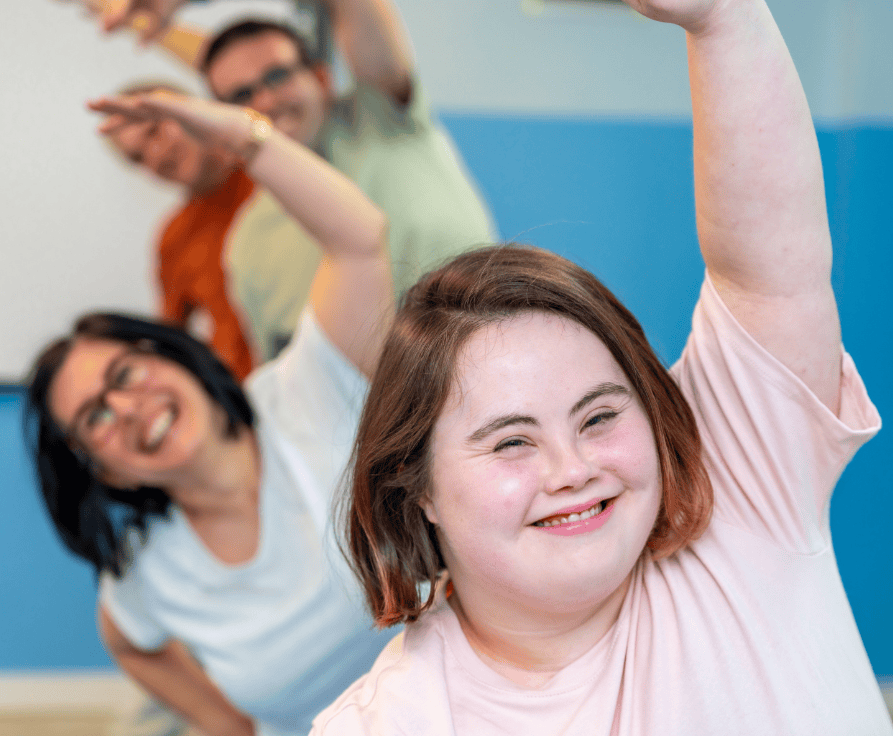
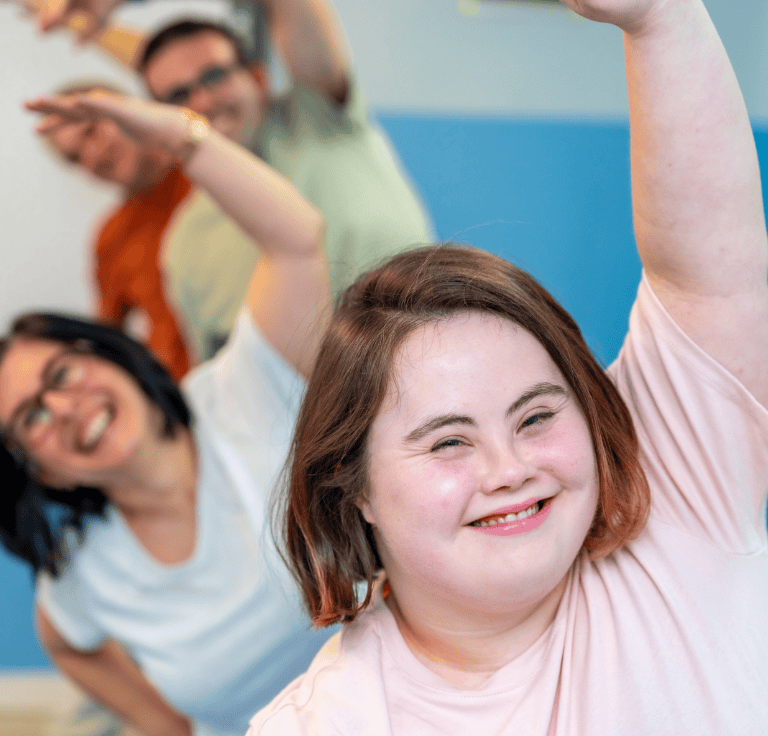
Cohousing has always been about connection—living in ways that bring people closer, support one another, and create a sense of shared belonging. But for people living with disabilities, both physical and intellectual or developmental (IDD), connection can be especially difficult to access in traditional neighborhoods. Homes are often multi-story, inaccessible or designed without consideration for mobility challenges. Sidewalks disappear. Social isolation increases. And in many cases, those with disabilities or their caregivers face barriers that make daily life unnecessarily hard. Cohousing offers a different path—one that centers inclusion, community, accessibility and dignity.
Many cohousing communities across the U.S. and world are built as multi-story buildings or townhomes. This approach makes sense for many groups: it reduces land use, lowers infrastructure costs, and allows for higher density. But it also creates challenges. Even with elevators or ramps, multi-story living can limit access for people who rely on mobility devices, for aging adults with balance issues or for those with chronic health conditions that make stairs unsafe. And for people with IDD, multi-level buildings can sometimes contribute to disorientation, anxiety, or difficulty navigating daily routes independently. Designing for density is important—but so is designing for people.
At Gratitude Village Colorado, we are choosing a different model. Inspired by communities like Quimper Village in Port Townsend, Washington, we are planning a fully single-story cohousing neighborhood (except our common house which will be two-story with elevator access). This choice reflects a core part of our mission: to create a multigenerational, mixed-income community where people of all ages and abilities can thrive. Single-story homes provide easier mobility, simpler evacuation routes and accessible pathways between shared spaces. They also allow aging adults, wheelchair users and high-needs residents to move through the community with greater independence, confidence and safety. And for families caring for a child or adult with IDD, the simplicity of single-story living can remove countless obstacles that traditional home design unintentionally creates.
Accessibility isn’t just a matter of architecture—it’s a matter of dignity. At Gratitude Village Colorado, we are grounding that commitment in real standards, not just good intentions. GVCO is designing our community using the Inclusive Design Standards developed by The Kelsey—a nationally recognized, 168-page framework that expands accessibility far beyond ADA requirements. These standards incorporate physical, sensory, cognitive and operational accessibility principles to ensure that community members of all abilities can participate fully in daily life. We are also exploring the option of becoming formally Certified in Inclusive Design, a step that would position Gratitude Village among the most intentionally inclusive housing communities in the country. From building orientation to materials, pathways to programming, these standards help us design a neighborhood where everyone can thrive.
In cohousing, the community layout itself becomes part of the support system. Car-free paths create safer areas for people with mobility or sensory challenges. Smaller clusters of homes encourage familiarity and routine, which can be especially helpful for residents with IDD who benefit from predictable environments and clear visual cues. Shared green spaces offer opportunities for physical movement, exploration and connection. And because neighbors know one another well, people with disabilities benefit from a natural circle of support—not as charity, but as community care woven into daily life.
One of the most meaningful aspects of cohousing for people with IDD is the opportunity for deeper social networks. Traditional disability services often focus on programs or paid support, but meaningful social relationships—friendships, belonging, opportunities to contribute—remain harder to access. In cohousing, neighbors interact daily in a way that naturally creates opportunities for connection. Someone who might struggle to initiate social interactions can still be invited to dinner, join a gardening group, participate in arts and crafts, or simply sit outside and chat with others. These small but frequent interactions can have an enormous impact on mental health, confidence and quality of life.
Gratitude Village is also planning for the needs of high-needs residents and their caregivers. Some of our units will be large enough to accommodate live-in support personnel when needed, giving families peace of mind and greater flexibility. We are also exploring a caregiver’s apartment in the common house—a space that could be used by rotating caregivers, respite service providers or visiting family members who are helping care for a resident with higher needs. This approach not only eases the logistical burden for families, but ensures that caregivers are fully integrated into the community—not isolated or pushed to the margins, but valued as part of the neighborhood’s daily life.
For many families caring for a loved one with IDD or physical disabilities, the biggest fear is what happens when they can no longer provide primary support. Cohousing offers something rare: continuity. A place where relationships don’t vanish when circumstances change. A place where neighbors step in—not to replace caregivers, but to provide social connection, companionship and a sense of belonging that makes life richer and more resilient. In a community like Gratitude Village, the safety net isn’t an institution. It’s the neighborhood itself.
Accessibility also extends to affordability. Many people with disabilities live on fixed incomes or rely on benefits that limit traditional housing options. Gratitude Village’s mixed-income model and commitment to creating up to 50% permanently affordable homes ensures that people with disabilities—and the families who love them—have the opportunity to live in a supportive, sustainable community. Accessibility without affordability isn’t true accessibility. It’s just good design for those who can afford it. At GVCO, the goal is full inclusion: economic, physical and social.
Of course, building an accessible cohousing community is not just about housing—it’s about culture. It’s about embracing the belief that every person, no matter their ability or support needs, contributes meaningfully to the life of the community. It’s about designing spaces that encourage interdependence rather than isolation, dignity rather than difficulty, empowerment rather than limitation. Cohousing, when done intentionally, doesn’t just accommodate disabilities. It celebrates the full spectrum of human experience.
Gratitude Village is being created with this spirit from the very beginning. Our design choices—single-story homes, car-free paths, accessible walkways, common spaces that welcome everyone—are part of our mission to build a community where people truly belong. Our governance structure supports listening, flexibility and inclusion. Our commitment to affordability expands access to those often excluded from intentional community living. Our use of The Kelsey’s Inclusive Design Standards ensures that our values show up not just in how we talk about community, but in the built environment itself. And our culture of neighborliness means that support is not a service, but a shared practice.
As we continue planning and shaping this community together, we remain grounded in the belief that a village is strongest when everyone can participate in its life. People with disabilities are not an afterthought in cohousing—they are central to the vision. Their presence enriches us, teaches us and reminds us that the true purpose of community is not just to share space, but to share life.
Gratitude Village Colorado is being designed as a place where every person—every age, every ability, every story—has a place at the table. A place to belong. A place to be supported. A place to contribute. A place to live with dignity, joy, and connection.
Because a community that is accessible to all is a community that thrives.
COMMUNITY
Join us in embracing nature, diversity and connection.
Sustainability
DIVERSITY
info@gratitudevillageco.com
720-689-4821
© 2026. All rights reserved.
AFFORDABILITY
Gratitude Village Inc. is a 501(c)3 charitable corporation (public charity) that values diversity, equity and inclusion as essential to our mission. EIN #33-2499522
Subscribe to our Substack
Refund Policy
Gratitude Village is a Proud Member of these organizations