Nov 3, 2026 Zoom Info Session - 5:00-6:00pm REGISTER to get the link!
Finding Dirt: The Emotional Marathon of Building a Village
Finding Land for Gratitude Village Colorado is more than a development milestone — it’s a disciplined, mission-driven search for 4–12 acres in the Denver-metro area that can support a mixed-income, multigenerational, fully accessible, Net Zero cohousing community. In this behind-the-scenes reflection, we share the emotional journey of land acquisition — the patience, persistence, and resilience required to review dozens of sites, meet with planning departments, connect with landowners, and say no to parcels that don’t meet our criteria of affordability (under $2.5 million), access to services, and proximity to public transit for seniors and adults with disabilities. This post explores what it truly takes to build a sustainable, community-led housing model in Colorado — and why finding the right land is a marathon, not a sprint.
Gratitude Village
2/28/20264 min read
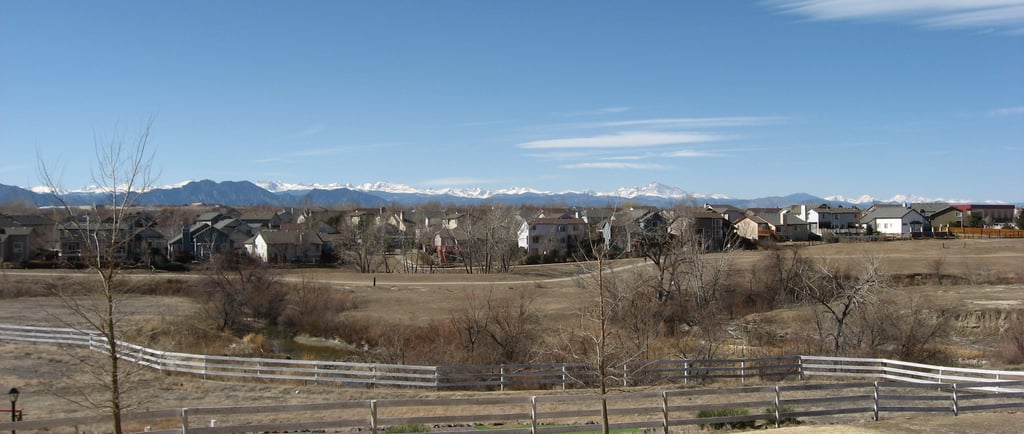
There’s a phrase we use casually in development meetings: finding dirt. It sounds simple. Transactional. Almost mechanical. As if somewhere out there is a patch of land waiting patiently for us to plant our vision on top of it. But anyone who has walked this journey with us knows that finding dirt is not just a logistical exercise — it’s an emotional marathon.
Some of our Founders feel steady and confident. They believe, deeply, that the right land will become ours if we stay aligned, persistent and patient. Others feel the edge of anxiety. They’ve committed financially, emotionally, spiritually — and they want to see progress they can touch. Both responses are valid. Both live inside this season of building.
Meanwhile, our development partners gently remind us: this is how it goes. Land acquisition for a complex, mixed-income, accessibility-focused, Net Zero community is rarely quick. It takes pacing. It takes discernment. It takes saying no far more often than we say yes. And it takes resilience — because not every promising site is truly viable.
Behind the scenes, “finding dirt” looks like this: meeting with planning departments across multiple cities. Studying comprehensive plans. Calling brokers. Writing to landowners. Reviewing zoning codes. Running quick financial models. Driving by parcels at different times of day. Asking hard questions about utilities, detention ponds and access roads. It looks like spreadsheets and site visits and follow-up emails — over and over again.
We have reviewed dozens of properties. Some were too small. Some were too large and financially out of reach. Some were beautifully located but carried price tags that would make permanent affordability impossible. Others were technically available but lacked access to services and transit — which matters deeply when you are building a community intended to support seniors and adults with disabilities.
Our criteria are not arbitrary. We are looking for 4–12 acres, ideally $2.5 million or less, with strong access to services, grocery stores, medical care and public transportation. At 4 acres, we can build primarily housing, a common house, gardens and a playground. It would be beautiful, connected and vibrant — but relatively compact. At 5–8 acres, we begin to stretch. A maker space. A swimming pool. A greenhouse. Possibly a small mixed-use block along a road if appropriate.
And if we find 9 or more acres? Then the vision expands again. Urban farming. A dog park. More room to breathe. More ways to serve. More opportunity to demonstrate what a high-functioning, accessible, multigenerational neighborhood can truly look like.
But here’s the part that doesn’t show up in site plans or pro formas: every property carries hope. Every time we walk a piece of land, there’s a moment where someone quietly imagines the common house placed just so, the gardens catching morning light, children running between homes. And when we determine that a parcel doesn’t meet our criteria, we don’t just reject a spreadsheet. We release a possibility.
That release can feel discouraging. Especially when months go by and we are still searching.
This is where the marathon metaphor becomes real.
In a sprint, speed matters most. In a marathon, pacing matters. In a sprint, adrenaline carries you. In a marathon, you build stamina — physically and emotionally. You don’t chase every surge of excitement. You don’t panic at every dip in energy. You keep moving, one steady mile at a time.
Our development partners remind us that the right site will align not just geographically, but financially and politically. It must support mixed-income feasibility. It must allow us to build 100% accessible homes. It must align with local planning goals. It must support long-term sustainability — not just initial excitement.
This is why we say no.
Not because we are indecisive. Not because we are unrealistic. But because we are clear.
Clarity is powerful. It prevents us from settling for land that would compromise accessibility, affordability or long-term viability. It protects our elders and disabled adults who will rely on transit access. It protects our families who need services nearby. It protects our mission to build something replicable and responsible — not rushed.
And yet, emotionally, clarity requires patience.
We are building something that doesn’t yet exist in the Denver-metro region at this scale: a mixed-income, Net Zero, fully accessible cohousing community intentionally designed to reduce isolation and increase resilience. That level of integration — housing, sustainability, accessibility, social design — narrows the field of viable land. It doesn’t eliminate options, but it does require endurance.
There is a quiet confidence growing in our community. It isn’t loud or flashy. It sounds more like this: If we keep showing up, the right land will show up, too.
Confidence doesn’t erase anxiety — but it steadies it.
We are not just searching for acreage. We are searching for alignment. Alignment between price and possibility. Between zoning and vision. Between location and long-term livability. When those pieces click into place, it will not feel random. It will feel earned.
Finding dirt is not a sprint.
It is a marathon of phone calls, site visits, spreadsheets, meetings, rejections, recalculations and renewed hope. It is a discipline of persistence. It is trust in process. It is emotional resilience woven together with practical due diligence.
And one day — maybe sooner than we think — we will stand on a piece of land and say, “This is it.”
Not because it was the first site we saw.
Not because it was easy.
But because we stayed in the race.
COMMUNITY
Join us in embracing nature, diversity and connection.
Sustainability
DIVERSITY
info@gratitudevillageco.com
720-689-4821
© 2026. All rights reserved.
AFFORDABILITY
Gratitude Village Inc. is a 501(c)3 charitable corporation (public charity) that values diversity, equity and inclusion as essential to our mission. EIN #33-2499522
Subscribe to our Substack
Refund Policy
Gratitude Village is a Proud Member of these organizations