Nov 3, 2026 Zoom Info Session - 5:00-6:00pm REGISTER to get the link!
No One Teaches Us How to Be Neighbors
In No One Teaches Us How to Be Neighbors, we explore how the art of neighboring has quietly faded from modern life. Through personal reflection and cultural observation, this piece examines the decline of everyday conversation, informal “visiting,” and the design of neighborhoods that once supported natural connection. It reframes community not as nostalgia, but as a skill that can be relearned — and highlights how cohousing intentionally creates the physical and social conditions for belonging, shared life, and intergenerational connection.
Gratitude Village
3/11/20263 min read
No one ever sat me down and said, “Here is how you become a good neighbor.” There wasn’t a class. No curriculum. No handbook handed to us when we signed our first mortgage. And yet, once upon a time, the art of neighboring was modeled so consistently that it didn’t need explanation.
When I was a child, I spent six weeks or more every summer with my grandparents in a small town in western Oklahoma. Life moved more slowly there. Evenings were long and warm. And people would drop by to “visit.”
That was the word. Visiting.
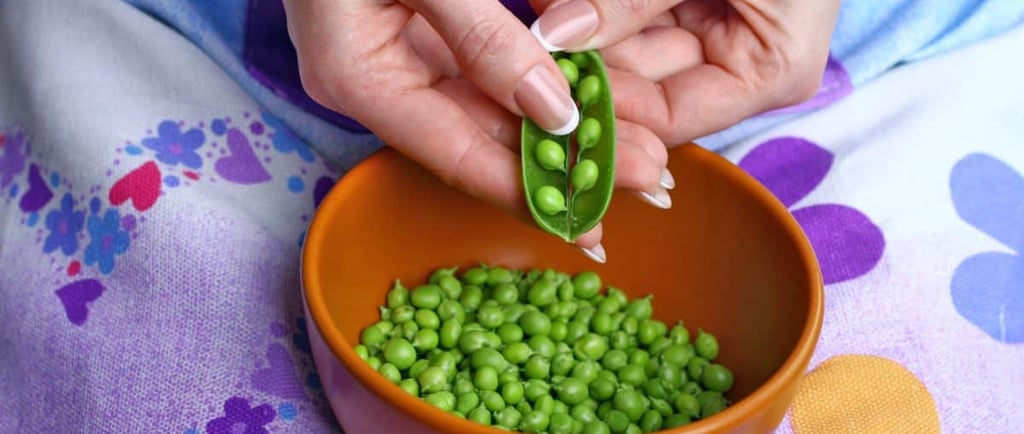
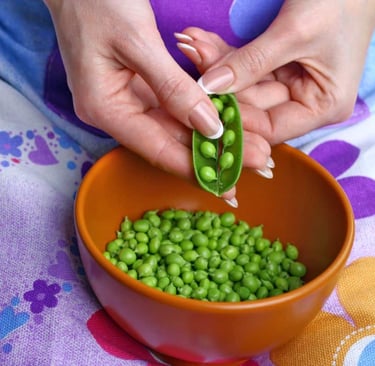
It wasn’t an event. It wasn’t scheduled. It wasn’t a formal invitation. Someone would walk over or pull into the driveway, and my grandparents would step outside with folding chairs or gather around the game table in the den. Sometimes the visiting happened while shelling peas or snapping green beans from the garden because it was cooler outside. Hands moved, stories flowed and conversation stretched without urgency.
Other nights, visiting meant a spirited game of Wahoo on a homemade wooden board worn smooth from decades of play. Laughter. Light teasing. Familiar rhythms. No one was performing. No one was curating their life. They were simply together.
Looking back, I realize something important:
I was being taught how to be a neighbor.
Not through instruction — but through immersion.
I watched adults make time for one another. I saw how conversation unfolded when people weren’t rushing. I learned that presence didn’t require productivity. That showing up didn’t need a reason. That community wasn’t something you organized — it was something you practiced.
Somewhere along the way, that modeling thinned. Life sped up. Evenings compressed. Screens entered our living rooms — and eventually our pockets — drawing our attention inward. Two-income schedules reshaped the rhythm of dinner, and weekends filled with catch-up tasks. No one decided to abandon visiting. It simply became harder to sustain.
Today, most of us live in neighborhoods full of good people. We wave. We smile. We exchange pleasantries. But we rarely “visit.” Interaction is scheduled or digital. Even friendliness feels compressed. We protect our evenings because we are exhausted — and yet something essential feels missing.
I don’t think people are intentionally withdrawing from one another. I think we were simply never taught how to sustain conversation in a world of constant distraction. Real conversation requires patience. Curiosity. The ability to sit without checking a phone. The willingness to let silence stretch without filling it.
These are skills.
And like any skill, if they aren’t practiced, they fade.
The design of modern neighborhoods doesn’t help. Garages face the street. Backyards are fenced. Common gathering spaces are rare. Lingering requires effort — and effort runs thin. So we default to politeness instead of presence.
But community isn’t built in emergencies. It’s built in ordinary evenings. In shared tasks. In laughter over board games. In long, meandering conversations that seem unproductive but quietly weave people together.
At Gratitude Village, we aren’t trying to recreate western Oklahoma in the 1960s. We are not trying to romanticize the past. But we are asking a simple question: What would it look like to design neighborhoods that make “visiting” possible again?
Shared meals.
Common pathways.
Gardens.
Work days.
A common house that invites lingering.
These aren’t forced activities. They are containers for conversation. They create repeated, low-pressure opportunities for interaction — the kind that slowly weave people together.
No one teaches us how to be neighbors anymore.
But we can relearn.
Conversation can be practiced.
Presence can be reclaimed.
Visiting can return.
But it rarely happens by accident.
If we want neighborhoods that feel woven rather than parallel, we have to create the conditions for weaving.
COMMUNITY
Join us in embracing nature, diversity and connection.
Sustainability
DIVERSITY
info@gratitudevillageco.com
720-689-4821
© 2026. All rights reserved.
AFFORDABILITY
Gratitude Village Inc. is a 501(c)3 charitable corporation (public charity) that values diversity, equity and inclusion as essential to our mission. EIN #33-2499522
Subscribe to our Substack
Refund Policy


Gratitude Village is a Proud Member of these organizations