Oct 17, 2026 IN PERSON Info Session - 10:30-11:30am Lakewood Library
When Community Exists… Until It Doesn’t
Gratitude Village is being created in response to a quiet truth many of us have experienced: despite living near others for years, meaningful connection and mutual support are often hard to sustain in traditional neighborhoods. Designed as a multigenerational, mixed-income cohousing community, Gratitude Village makes everyday interaction easy and belonging intentional. Through shared spaces, thoughtful design, and a culture that encourages neighbors to look out for one another, the community supports connection not as an afterthought, but as a foundation. Here, people of all ages and life stages are seen, supported, and woven into daily life—creating a place where community holds, even when routines change.
Suzie Shride
2/13/20263 min read
For nearly fifteen years, I’ve lived in the same neighborhood. I know at least 150 people by name. I know their dogs’ names too. I can tell you who walks early in the morning, who comes out at dusk, who lets their dog linger a little longer to chat, and who is always in a hurry.
Our daily dog walks have been the connective tissue of my neighborhood life. Small conversations. Familiar smiles. Updates about weather, travel, work, kids, aging parents. Nothing deep, necessarily—but steady. Consistent. Enough to feel like community.
Or so I thought.
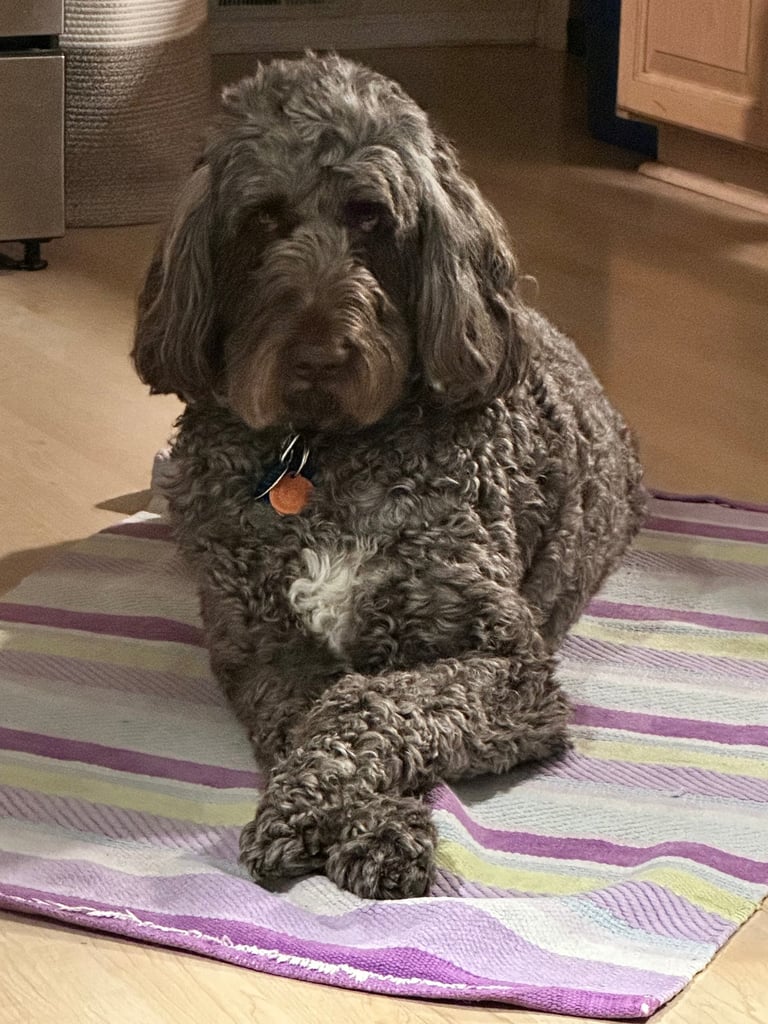
Two months ago, my big dog, Ollie, who is only 4 years old had foot surgery. For weeks, we didn’t walk. We didn’t appear on the sidewalks. We weren’t part of the daily rhythm.
And not one person noticed. Or maybe they did but no one reached out.
Not a single “Hey, we haven’t seen you in a while.”
Not a “Is everything okay?”
Not even a casual “Where’s your pup been?”
No Facebook comment wondering if we were OK.
I don’t say that with anger. I say it with clarity. Because what that absence revealed is something I’ve felt for a long time but couldn’t quite name.
In a traditional suburban neighborhood, community often exists only as long as it’s convenient.
The Effort Problem
Here’s the part that frustrates me most: building connection in a suburban model takes enormous effort. You have to be intentional. You have to initiate. You have to coordinate schedules, overcome physical distance and work around homes designed for privacy rather than presence.
And even when you do all of that—when you know people’s names, their routines, their dogs, their kids—those connections can still disappear the moment the routine breaks.
There is no shared structure to hold us when life shifts.
What I’ve seen instead is the formation of small, siloed circles. Families with young children naturally find each other. They organize birthday parties, backyard BBQs, holiday gatherings, Super Bowl watch parties. It makes sense. Shared life stages pull people together.
I have a good rapport with many of these neighbors. We talk. We laugh. We care about each other. We've even sat on their patios on the way home after a dog walk.
But my adult daughter and I are never invited.
And again—I don’t say that with resentment. I say it with realism. They aren’t doing anything wrong. They’re responding to a system that quietly sorts us by age, stage and perceived relevance.
Meanwhile, my older neighbors largely have their social lives elsewhere—family, long-standing friendships, commitments outside the neighborhood. There’s no lack of kindness. Just a lack of overlap.
So here we all are. Friendly. Polite. Isolated.
Designed for Independence, Not Interdependence
The truth is, most neighborhoods are designed for independence, not interdependence. Homes face inward. Garages dominate. Backyards replace shared space. Daily life happens behind closed doors or fences.
Connection becomes optional. Support becomes accidental.
And when something small but meaningful happens—like not being seen for two months—there’s nothing in the design that prompts care, curiosity or collective noticing.
No shared meals.
No common spaces.
No expectation that we look out for one another.
Just parallel lives passing on the sidewalk.
What I’m Longing For Instead
This is why I’m building—and longing for—Gratitude Village.
Not because I want more socializing.
Not because I need everyone to be my best friend.
Not because I expect constant togetherness.
But because I want to live in a community that is intentionally designed to make interaction easy—and support normal.
A place where noticing absence is built into the rhythm of daily life.
Where shared spaces naturally create touchpoints.
Where you don’t have to work so hard to belong.
In cohousing, community doesn’t rely on perfect personalities or heroic effort. It’s supported by design: homes oriented toward shared pathways, a common house that invites gathering, meals that create consistency, and a culture that gently encourages mutual care.
It’s not about intrusion. It’s about awareness.
When someone hasn’t been around, it’s noticed—not because people are monitoring each other, but because life is shared just enough to create presence.
The Difference Design Makes
What I’ve learned is this: community isn’t just about who lives nearby. It’s about how life is structured.
Traditional neighborhoods ask us to build connection on top of systems that quietly undermine it. Cohousing flips that script. It says: let’s design for relationship, and let the rest follow.
That’s what I’m looking forward to at Gratitude Village.
A place where my presence matters.
Where absence is noticed.
Where support doesn’t require a crisis.
Where belonging isn’t dependent on age, stage, or family structure.
A place where community doesn’t disappear the moment routine does.
And after fifteen years of trying to make the suburban model work harder than it was ever designed to—this feels like coming home.
COMMUNITY
Join us in embracing nature, diversity and connection.
Sustainability
DIVERSITY
info@gratitudevillageco.com
720-689-4821
© 2026. All rights reserved.
AFFORDABILITY
Gratitude Village Inc. is a 501(c)3 charitable corporation (public charity) that values diversity, equity and inclusion as essential to our mission. EIN #33-2499522
Subscribe to our Substack
Refund Policy


Gratitude Village is a Proud Member of these organizations