Sept 24, 2026 Zoom Info Session - register to get link 5:00-6:00pm
How Cohousing Works (And Why It Feels So Different)
Cohousing offers a different way to live—one that balances private homes with shared spaces and everyday connection. If you’ve been curious what that actually looks like in real life, here’s how it works.
Gratitude Village
5/6/20264 min read
Understanding the structure behind a more connected way of living
If you’ve been exploring the idea of cohousing, you might be feeling both intrigued and curious. The idea of living in a more connected, community-oriented neighborhood resonates for many people, but at some point a practical question naturally follows: how does this actually work? What does daily life look like? What do you share, and what stays private? And how is this different from a traditional neighborhood?
These are important questions, and the answers are often simpler—and more flexible—than people expect.
At its core, cohousing is a neighborhood design model that balances private homes with shared community spaces. Each household has its own fully independent residence, complete with a kitchen, living areas, and everything needed for day-to-day life. There’s no shared ownership of personal living space, and residents maintain the same level of autonomy they would in a traditional neighborhood. You can close your door, have your own routines, and live your life privately when you want to.
What’s different is what surrounds those homes.
Instead of being oriented around streets and driveways, cohousing communities are typically designed around pedestrian pathways, shared courtyards, and a central common house. This layout naturally encourages interaction—not in a forced or structured way, but in the small, everyday moments where relationships tend to grow. You might pass a neighbor while walking to your front door, see children playing within view of multiple homes, or find yourself heading to the common house at the same time as someone else. Over time, those small moments begin to add up into something meaningful.
On an ordinary weekday, that might look like stepping outside in the morning and seeing a neighbor already out walking their dog, exchanging a quick hello before heading into your day. In the evening, you might notice a few people gathering at the common house and decide, last minute, to join for an evening of board games rather than watching TV alone at home. Kids move between outdoor spaces while a few adults keep a casual eye on things, conversations picking up and pausing as people come and go. Nothing about it feels scheduled or forced—it’s just the natural result of living in a place where your paths cross regularly. For families, this kind of environment can be especially powerful—we share more about that in “Dreaming of Raising a Family in Cohousing.”
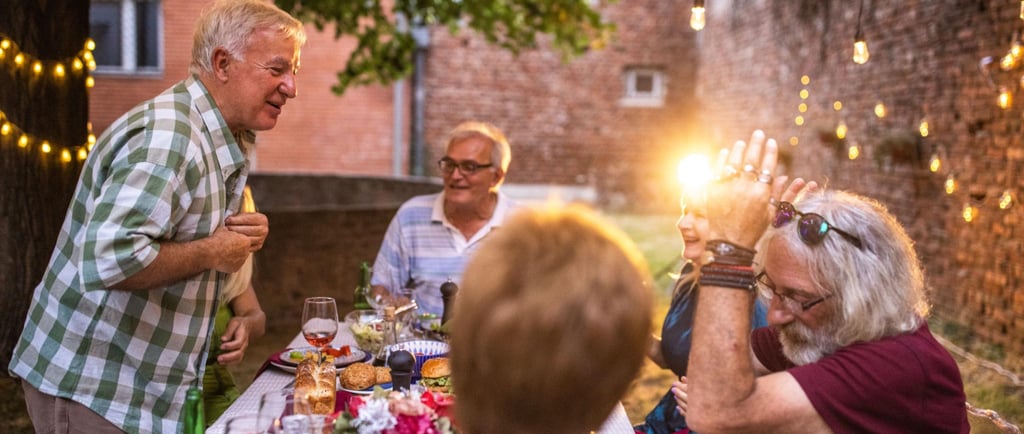
The common house is one of the defining features of cohousing. It acts as a shared gathering space and often includes a large, gourmet kitchen, dining area, lounge spaces, and sometimes guest rooms, co-working areas, or recreational rooms. It’s not a replacement for your home—it’s an extension of it. In many communities, residents choose to share a few meals each week. Participation is always optional, but over time these shared meals often become part of the rhythm of daily life. They reduce the pressure of cooking every night and create consistent opportunities to connect with others in a relaxed, informal way. For many people, these shared meals become one of the most meaningful parts of daily life—we explore that more in “The Dinner Bell Rings – Why Common Meals Matter.”
At the same time, privacy is fully respected. One of the most common misconceptions about cohousing is that it requires constant social interaction, but in reality, it’s designed to offer choice. You can participate as much or as little as you’d like, and your home remains your own personal retreat. For many people, that balance—having connection available without being required—is what makes cohousing feel so different from both traditional neighborhoods and more communal living models. If that’s a question you’ve been holding, we go deeper into that in “Common Misconceptions About Community Living.”
Another key difference is how the community itself is created. In most cohousing developments, future residents are involved in shaping the neighborhood before it’s built. This includes input on site design, shared amenities, and even governance structures. The goal is to create a place that reflects the needs and values of the people who will actually live there, rather than a one-size-fits-all development.
At Gratitude Village Colorado, this is happening right now. As we move into the design phase of our cohousing community in Brighton, Colorado, future residents are participating in conversations about layout, shared spaces, and how the community will function day to day. This collaborative process is part of what makes cohousing feel so different—it’s not just a place you move into, but something you help create.
You may also be wondering how decisions are made once the community is established. Most cohousing communities use some form of collaborative governance, often based on consensus or sociocracy. While those terms can sound formal, in practice it simply means that residents have a voice in decisions that affect shared spaces and community life. It’s not about everyone agreeing on everything, but about creating systems for communication, participation, and shared responsibility over time.
All of this matters because the way a neighborhood is designed directly shapes how people experience daily life. In a traditional neighborhood, connection often requires effort—you have to plan it, initiate it, and go out of your way to create it. In a cohousing community, connection is part of the environment. It happens naturally through proximity, shared spaces, and repeated interaction over time.
That doesn’t mean it’s perfect. Community requires communication, flexibility, and a willingness to navigate differences. But for many people, the benefits far outweigh the challenges. Instead of navigating everything alone, you become part of a network of relationships that offer support, perspective, and a sense of belonging.
If you’re just beginning to explore this idea, it may help to step back and look at the bigger picture. We explore that more deeply in “What If We Weren’t Meant to Live This Way?”, where we look at why so many people are searching for a more connected way of living in the first place.
At the end of the day, cohousing isn’t about changing who you are. It’s about changing the environment you live in so that connection, support, and belonging become a natural part of everyday life. And for many people, that shift makes all the difference. And for many people, once they understand how this works, the next question becomes a more personal one: what would it actually take to say yes to something like this?
🌿 Want to Learn More?
If you’re curious about cohousing in Colorado or want to explore our Brighton cohousing community, we invite you to:
Attend an upcoming info session
Learn more about becoming a Founding Member
Connect with others considering this path
COMMUNITY
Join us in embracing nature, diversity and connection.
Sustainability
DIVERSITY
info@gratitudevillageco.com
720-689-4821
© 2026. All rights reserved.
AFFORDABILITY
Gratitude Village Inc. is a 501(c)3 charitable corporation (public charity) that values diversity, equity and inclusion as essential to our mission. EIN #33-2499522
Subscribe to our Substack
Refund Policy


Gratitude Village is a Proud Member of these organizations