Sept 24, 2026 Zoom Info Session - register to get link 5:00-6:00pm
The Beautiful Challenge of Creating an Intergenerational Community
Intergenerational communities are often imagined as places where people of all ages naturally come together—but meaningful connection doesn't happen by accident. Building a neighborhood where children, families, young adults, and older adults truly know and support one another takes thoughtful design, shared experiences, patience, and intention. In this post, we explore why creating an intergenerational community can be challenging, why those challenges are worth embracing, and how Gratitude Village is intentionally designing a neighborhood where every generation has something to give and something to receive.
Gratitude Village
7/28/20265 min read
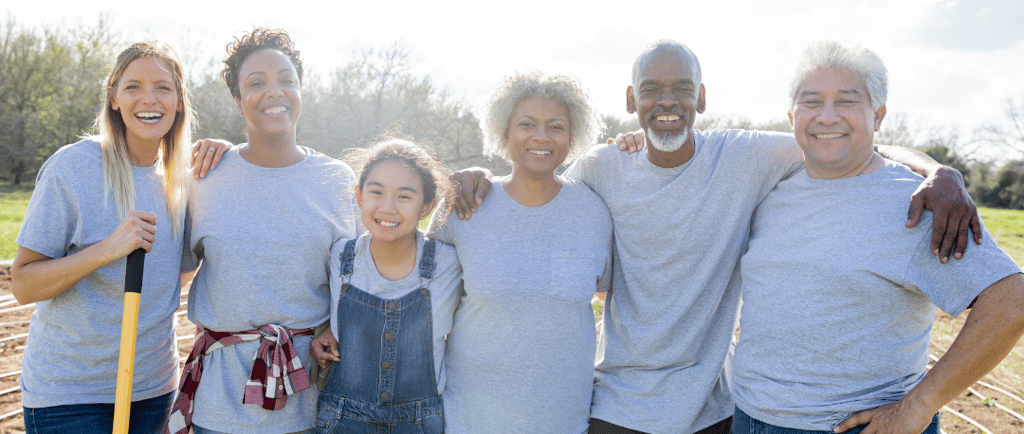
Creating a neighborhood where children, young adults, families, empty nesters, and older adults all choose to live together sounds wonderful in theory. In practice, it takes intention, patience and a willingness to grow together. Intergenerational communities don't happen by accident—but when they work, they become places where everyone has something to give and something to receive.
There is a park not far from where I live where I sometimes stop just to watch people. On one bench sits an older gentleman reading the newspaper. Across the grass, parents are chasing toddlers while teenagers toss a Frisbee nearby. A woman walks her dog. Someone pauses to help another person carry groceries. Most of these people don't know each other, but for a few moments they share the same space and the same afternoon.
I've often wondered what would happen if those same people weren't just passing through. What if they were neighbors? What if they saw each other every day instead of every few weeks? What if the children knew the older couple by name, and the older couple watched those children grow up over the years? Those questions are part of what led me to imagine Gratitude Village.
It's easy to romanticize the idea of an intergenerational community. We picture grandparents reading stories, neighbors sharing meals, children playing safely outside while adults chat on front porches. Those moments certainly happen, and they're part of what makes cohousing so appealing. But they don't happen simply because people of different ages move into the same neighborhood.
The truth is that building an intergenerational community is a beautiful challenge—one that requires intention, patience and a willingness to grow together.
For generations, our neighborhoods have gradually become more age-segregated. Children spend most of their time with other children. Adults often socialize primarily with coworkers or people in similar stages of life. Many older adults find themselves increasingly isolated after retirement. We've unintentionally organized our lives into age groups and after decades of living that way, crossing those boundaries doesn't always come naturally.
Different generations also bring different expectations. Young families may value active outdoor play while older residents appreciate quieter evenings. Some people enjoy spontaneous gatherings while others prefer more structure or privacy. Technology, communication styles and even definitions of community can vary significantly depending on when and where we grew up. None of those differences are problems—they're simply realities that require understanding rather than assumptions.
One of the misconceptions about cohousing is that everyone thinks alike. If you're new to the concept, you might also enjoy reading What is Cohousing?, where I explain how intentional neighborhoods differ from conventional subdivisions. The National Cohousing Alliance describes cohousing as neighborhoods intentionally designed to encourage interaction while respecting each household's privacy—a balance that helps make intergenerational living successful. In fact, the opposite is usually true. Residents bring different careers, cultures, personalities, political views, hobbies, and life experiences. As I wrote in Community Is Powerful—But It Isn't Magic, healthy communities don't happen automatically—they require intention, communication, and a willingness to keep showing up for one another. A successful intergenerational community isn't built because everyone agrees. It's built because people learn how to disagree respectfully while continuing to care about one another.
That learning doesn't happen overnight.
One of the reasons Gratitude Village spends years building community before the homes exist is because relationships need time to develop. Future neighbors meet through workshops, shared meals, volunteer projects, design sessions, and conversations long before anyone receives the keys to a home. They begin learning how each person communicates, what they value, and how decisions can be made together. By the time people move in, they aren't strangers trying to create community—they're already becoming one.
As I discussed in The Spaces Between the Homes, the physical design of a neighborhood can either encourage connection or make it less likely to happen. Walkable pathways slow people down just enough for casual conversations to happen naturally. Shared gardens become places where experience is exchanged as naturally as vegetables. Children playing on a central green give adults countless opportunities to connect. A Common House creates space for shared meals, celebrations, meetings, and everyday encounters that rarely happen in conventional subdivisions. Good design doesn't force relationships, but it creates opportunities for them to grow.
Even with thoughtful planning, there will still be misunderstandings. Someone will accidentally offend another resident. Different priorities will occasionally compete for attention. Community life can sometimes feel messy because people are messy. The goal isn't to eliminate conflict but to create a culture where people are willing to listen, learn, apologize when necessary, and keep showing up for one another.
In many ways, that's exactly what healthy families do.
The beauty of an intergenerational community isn't that every interaction is perfect. It's that everyone has opportunities to both teach and learn. A retired carpenter may help a young homeowner build a bookshelf. A teenager might patiently explain new technology to an older neighbor. Parents often discover that trusted adults nearby can offer encouragement and perspective. Older adults remain connected to the energy and optimism that children naturally bring. Every generation has strengths that another generation needs.
Research continues to show that these kinds of relationships matter. Children benefit from having caring adults beyond their parents. Organizations like Generations United have documented how intentional relationships between generations benefit children, older adults, and entire communities by reducing isolation, strengthening social connections, and creating opportunities for mutual learning.
Older adults who remain socially connected often experience better physical and emotional well-being. The National Institute on Aging highlights the importance of meaningful social connections in reducing loneliness and supporting healthy aging. Strong neighborhood relationships can reduce loneliness, increase resilience during difficult times, and create a greater sense of belonging for everyone. While architecture creates houses, it's these everyday human connections that transform a neighborhood into a community.
Perhaps that's exactly why I remain so optimistic about this work.
Building an intergenerational community is challenging because people aren't simple—and that's exactly what makes it worthwhile. We each arrive with our own histories, habits, fears, and hopes. Yet those differences are also what make community meaningful. If everyone were the same age, shared the same experiences, and saw the world the same way, we'd lose many of the opportunities that help us grow.
At Gratitude Village, we're not trying to create a perfect neighborhood. We're trying to create a place where people choose to know one another, support one another and grow together over time. That takes patience. It takes grace. It takes intention.
When I imagine standing in that future village someday—hearing children laugh, watching neighbors gather beneath the cottonwood trees, and seeing generations share everyday moments together—I don't think anyone will remember how much intention it took to build this community. They'll remember the friendships, the shared meals, the children growing up surrounded by trusted adults, and the neighbors who became family.
I think they'll simply be grateful that someone believed it was worth the effort.
COMMUNITY
Join us in embracing nature, diversity and connection.
Sustainability
DIVERSITY
info@gratitudevillageco.com
720-689-4821
© 2026. All rights reserved.
AFFORDABILITY
Gratitude Village Inc. is a 501(c)3 charitable corporation (public charity) that values diversity, equity and inclusion as essential to our mission. EIN #33-2499522
Subscribe to our Substack
Refund Policy

Gratitude Village is a Proud Member of these organizations